Mice in the Kitchen
Found droppings under the sink or behind the stove? Mice often travel close to walls and appliances. They may get into dry food, pet food, or crumbs left in hidden corners.
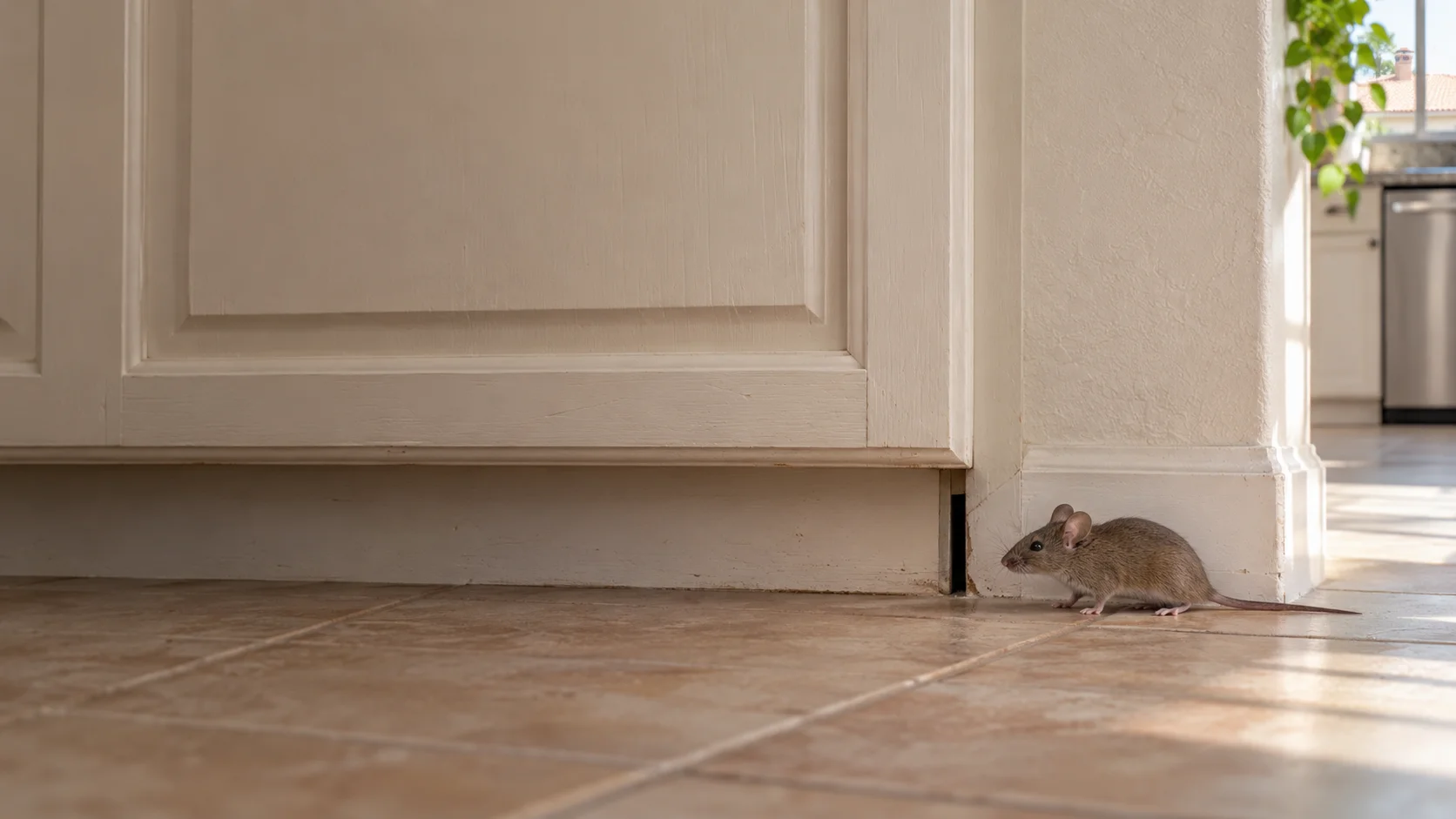
Menifee Rodent Crew provides mice control in Menifee, CA, for homeowners finding droppings in cabinets, hearing movement in walls, or seeing mice indoors. We look for signs of activity, check small entry gaps, and explain trapping and removal options. If the droppings keep coming back, we help find out why.
Droppings and chewed packages can reveal activity even without a sighting.
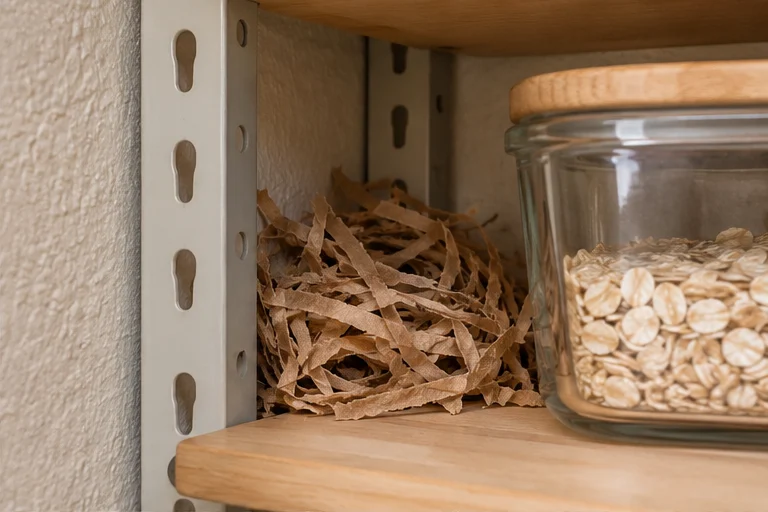
Found droppings under the sink or behind the stove? Mice often travel close to walls and appliances. They may get into dry food, pet food, or crumbs left in hidden corners.
Hear quick scratching after dark? A mouse may be moving through a wall space or behind cabinets. The sound alone doesn't prove it's mice, so we check for droppings and other clues.
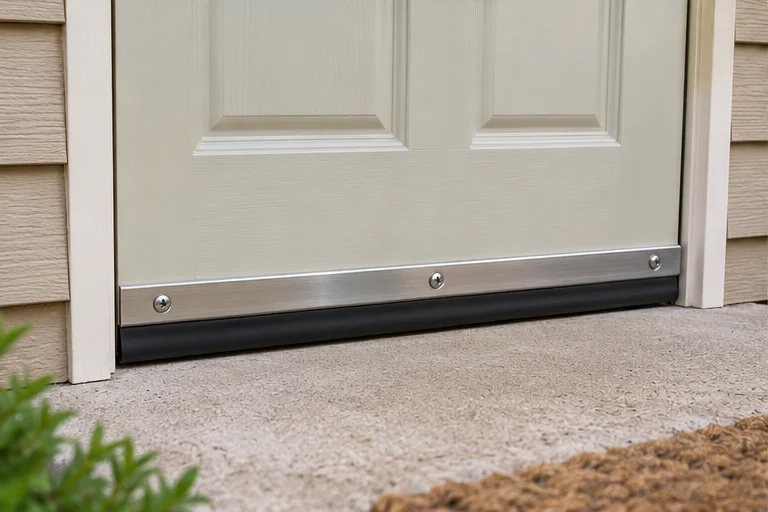
Boxes, stored supplies, and pet food offer places to hide. A gap beneath the garage door may let mice in before they move farther into the house.
Cleaned a drawer and found new droppings the next day? That can mean mice are still using the area. We look for nearby nests, feeding spots, and openings they may be using.
Mouse behavior guides the inspection.
House mice often run along baseboards and behind objects instead of crossing open rooms. Droppings near a wall can help show where they've traveled.
Mice build nests from paper, fabric, and other soft materials. A quiet space near food or shelter may allow them to remain hidden for days.
When mice have steady food and shelter, they can reproduce throughout the year. One sighting doesn't tell us how many are present, so we look for fresh signs before drawing conclusions.
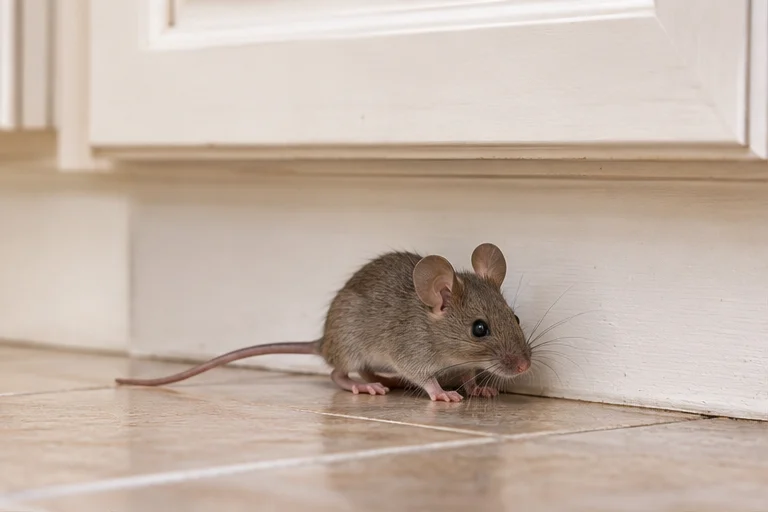
Look for these clues in kitchens, garages, and storage areas.
Dark pellets in drawers, behind appliances, or near stored food.
Small holes in cereal bags, pet food sacks, or cardboard boxes.
Movement in wall spaces, beneath cabinets, or above a ceiling.
Shredded paper, fabric, or insulation tucked behind stored items.
A stale smell in a closed cabinet or another area with repeated activity.
A mouse running along a baseboard or disappearing behind an appliance.
Found droppings? Don't sweep or vacuum them dry. Follow public-health cleanup guidance before cleaning affected surfaces.
Both newer Menifee homes and established Sun City properties can have mouse entry gaps.
Open spaces where plumbing enters a wall may connect a kitchen cabinet to hidden areas. We check for gaps and signs of use.
A worn seal or gap near the floor can leave enough room for a mouse to slip through, especially near stored food.
A damaged screen or uncovered opening may give mice a way into a wall or other sheltered space.
House mice can squeeze through openings about a quarter-inch wide. Door gaps and cracks around utility lines deserve a closer look.
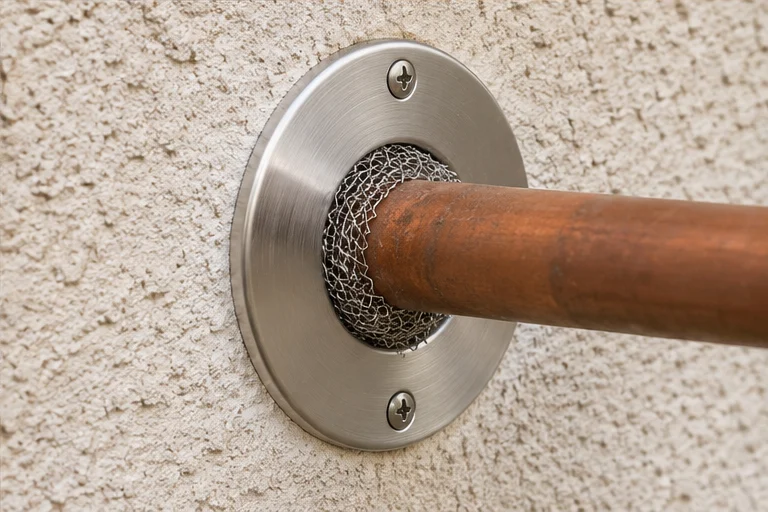
Our mice control in Menifee starts by locating active routes, not just where you last saw a mouse.
We check accessible food storage areas, cabinets, garages, and other problem spots for fresh droppings, gnaw marks, nesting materials, and entry gaps. Those signs help guide the plan.
We recommend trap locations along the routes mice use, such as sheltered edges and areas behind objects. We also consider where children and pets spend time when discussing placement.
We identify accessible gaps that may allow more mice inside and explain which repairs are needed. Our rodent exclusion page covers entry point sealing in more detail.
Here is what the visit covers.
Describe the droppings, sounds, food damage, or sightings. Tell us which rooms concern you and whether you've set traps.
We look for nests, feeding spots, travel routes, and openings in accessible areas near the activity.
We carry out the trapping, removal, or mouse-proofing steps included in your approved service plan.
We discuss what signs to watch for and whether further checks, cleaning, or repairs are needed.
Removing mice and blocking entry are separate tasks. Some homes need both.
Focus: Mice already inside.
Traps target mice moving near walls, cabinets, and storage areas. Checking for fresh activity afterward helps show whether the problem continues.
Focus: Openings mice use.
Exclusion involves closing suitable gaps around doors, vents, and pipes. Catching a mouse won't seal the opening that let it enter.
Looking for a mice exterminator in Menifee? You deserve to know why mice appear and what treatment includes.
We look around cabinets, appliances, and storage spaces where mice may feed or leave droppings, not only where you spotted one.
We explain what fresh droppings, nests, and small gaps suggest without filling the conversation with pest-control terms.
We base trapping recommendations on mouse travel routes and discuss locations that children or pets can reach.
We explain what's included in trapping, sealing, cleanup, and follow-up before you approve the work. Separate tasks are identified rather than assumed.
The cost of mice control in Menifee depends on active areas, trapping, and entry repairs.
A mouse problem in one pantry may need different work from signs in several rooms or a garage.
Trap locations, return visits, and checks for new activity can affect the service plan.
Several pipe openings, damaged screens, or worn door seals may require work beyond trapping.
Droppings in food areas or damaged stored items may need extra attention. We explain which tasks are included and which are separate.
Daily habits can reduce mouse food and shelter.
Check gaps around pipes, doors, and vents. Use materials mice can't easily chew through.
Keep cereal, grains, snacks, and pet food in tightly closed, mouse-resistant containers.
Check behind appliances and beneath cabinets. Wipe up spills and empty food waste regularly.
Move clutter away from walls and check boxes or stored supplies for signs of nesting.
Not always. One sighting doesn't reveal how many mice are present. Fresh droppings and nests offer better clues.
Mice may still be moving along routes the traps missed, or others may enter through an open gap. New droppings are a reason to check again.
Call when you keep finding droppings, hearing scratching, or spotting mice indoors. If the signs point to a larger rodent, see our rat control page.
Traps can cause injury if touched. Placement should keep children and pets away from them. Tell us where they spend time before the treatment plan is set.
High-frequency devices aren't a reliable way to clear house mice from buildings. Trapping, sealing gaps, and limiting food sources are more useful.
It depends on how many areas show activity and whether new signs appear. Ask which visits and follow-up checks are included.
Pricing depends on the inspection, trapping, entry repairs, and possible follow-up. We explain what the proposed service covers before work begins.
Still finding mouse droppings in the kitchen or hearing scratching behind a wall? Tell Menifee Rodent Crew where you've noticed the signs. We'll explain the inspection, discuss mice removal options, and make clear what the recommended work includes.