Droppings in Kitchens and Storage Areas
Rodent droppings may appear inside cabinets, beneath sinks, behind appliances, or near stored food. Their size and appearance can vary by species, so droppings alone may not identify the animal.

Have you found droppings in your kitchen, heard scratching above the ceiling, or noticed damage in your garage? Menifee Rodent Crew helps homeowners address rodent problems through inspection, suitable treatment options, and attention to possible entry points. We serve residential rodent-control needs in Sun City and the surrounding Menifee area.
Rodents often stay hidden in walls, attics, and other sheltered spaces. You may notice their presence through droppings, damaged belongings, or unusual sounds before you see an animal. These signs can help you decide when your property needs closer attention.
Rodent droppings may appear inside cabinets, beneath sinks, behind appliances, or near stored food. Their size and appearance can vary by species, so droppings alone may not identify the animal.
Scratching or scurrying sounds may come from an attic, ceiling, or wall cavity. Other animals and building noises can produce similar sounds, so look for additional evidence before identifying the source.
Mice and rats can chew through food packaging, cardboard, and other materials. Look for torn bags, gnaw marks, and shredded paper in cupboards, garages, and storage spaces.
Rodents may use paper, fabric, and other soft materials to build nests in sheltered areas. Disturbed insulation or shredded material in an attic or storage space can be a sign of activity.
Garages often contain cardboard boxes, pet supplies, and stored food that may attract rodents. Droppings or gnaw marks near these items may indicate that the area needs inspection.
A musky or unpleasant smell may develop where rodents have been active for some time. Check the area for droppings, nesting material, and other signs instead of relying on odor alone.
The right service depends on the type of rodent, the affected areas, and the signs found during an inspection. Menifee Rodent Crew focuses on three main areas of residential rodent control.
Rats may enter through roofline gaps, damaged vents, garage openings, or other accessible spaces. Roof rats commonly use elevated routes, while Norway rats are more associated with ground-level activity and burrows. Visit our rat control and removal page to learn more about these concerns.
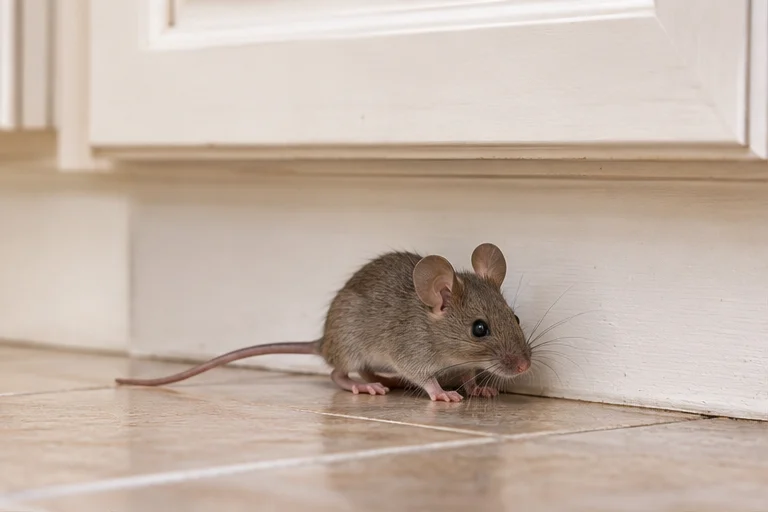
House mice can enter through very small openings and move through sheltered spaces near food and nesting materials. They may leave droppings in cupboards, behind appliances, and in storage areas. Visit our mice control page to learn more about mouse activity and removal.
Rodent exclusion focuses on finding and addressing openings that may allow rodents inside. Depending on the building and the inspection findings, suitable materials may include metal screening, hardware cloth, or door sweeps. Learn more about our rodent exclusion service.
Sun City has a distinct place in Menifee's development. The community began taking shape in the early 1960s as a residential development planned by Del Webb. Today, Sun City is part of Menifee and includes established residential and commercial areas.
The age and condition of individual properties can affect what an inspection needs to consider. Older door seals, damaged vent screens, worn exterior materials, and gaps around utility lines are examples of features worth checking. These conditions are not present in every older home, and they do not automatically indicate a rodent problem.
A property inspection should focus on actual signs of activity and the condition of the building. The following areas may deserve attention when homeowners report rodent activity.
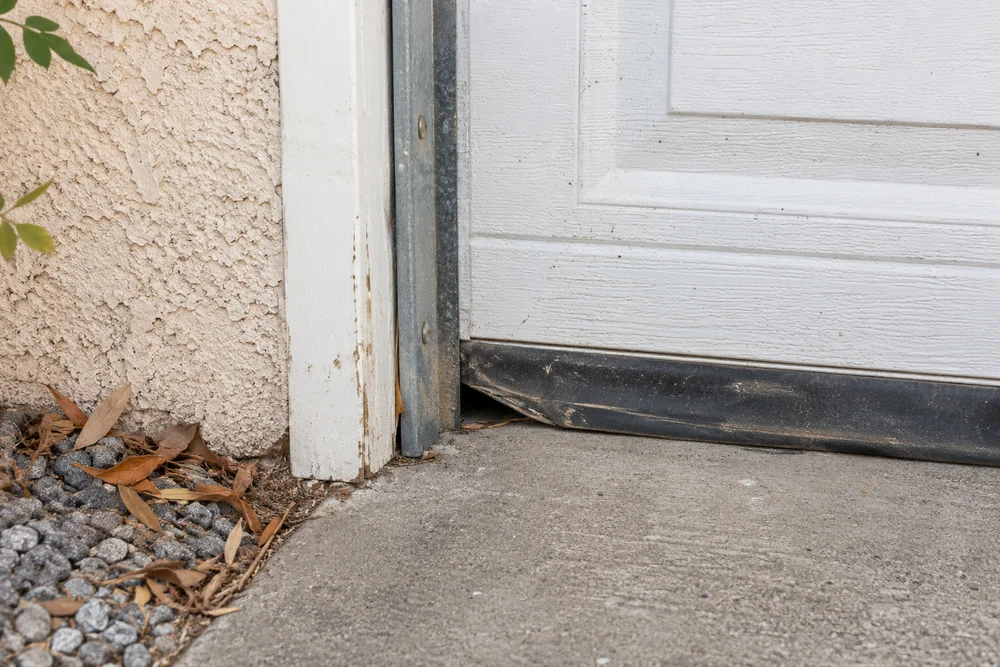
A worn garage-door seal or a gap near the corners can leave an opening along the bottom of the door. Check the surrounding area for droppings, gnaw marks, or other evidence that rodents may be using the space.
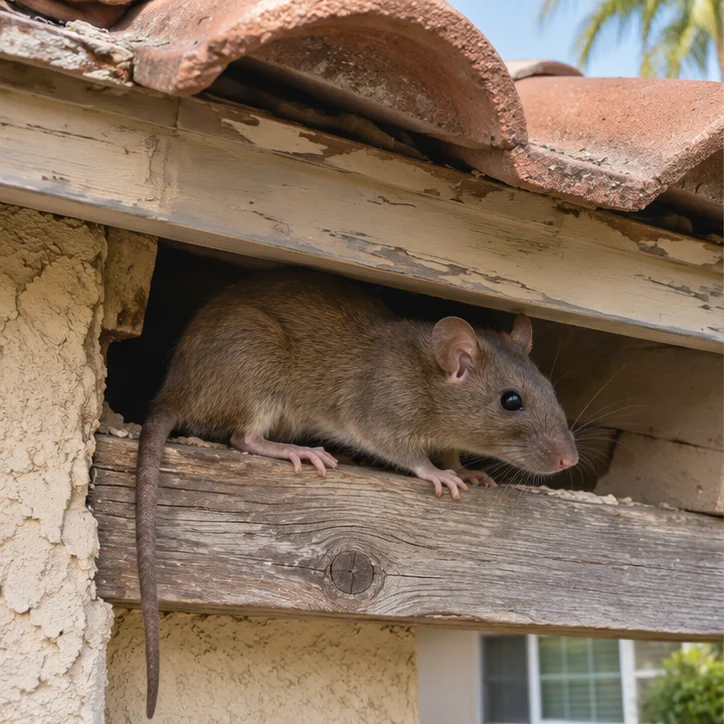
Roof rats can use elevated routes to reach roof spaces. Damaged vent screens, loose materials, and openings near eaves may provide access to an attic.
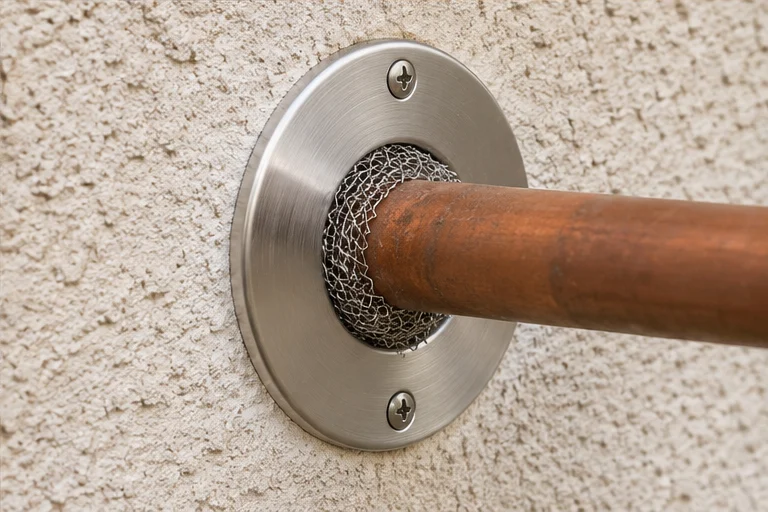
Water pipes, cables, and other utilities often pass through exterior walls. Small gaps around these openings can provide possible entry routes for mice and rats.

Cracks, openings, and damaged materials near the foundation may need attention when other signs of rodent activity are present. House mice can squeeze through openings about one-quarter inch wide.
An inspection should connect possible entry points with evidence of rodent activity. Sealing an opening without checking whether rodents remain inside can create additional problems.
A useful rodent-control plan begins with understanding what is happening inside or around the property. The type of rodent, location of activity, and condition of possible entry points all help determine the next steps.
Tell us where you noticed droppings, scratching sounds, damaged materials, or rodent sightings. These details help identify which areas may need attention.
The inspection may include accessible spaces such as kitchens, garages, attics, storage areas, and exterior walls. The areas checked should reflect the signs reported and the conditions found at the property.
The treatment approach depends on whether the problem involves rats or mice and where they are active. Trapping, removal, and other suitable control methods may be considered based on the inspection findings.
The inspection may also identify openings around doors, vents, pipes, and exterior walls. Any recommended exclusion work should be coordinated with the treatment plan so rodents are not sealed inside the building.
Removing a rodent does not always address the conditions that allowed it to enter. New activity may occur if other rodents remain or if accessible entry points are left open.
Several conditions can contribute to repeated rodent activity:
Rodents may continue using gaps around doors, vents, pipes, or exterior walls.
Other rodents may remain in an attic, wall cavity, or storage area after one animal has been removed.
Open food containers, pet food, and unsecured rubbish can attract rodents to a property.
Cluttered garages, sheds, and storage areas can provide places for rodents to hide.
The cost of residential rodent control in Sun City depends on the work required at each property. A problem involving a few signs in one accessible area may need a different service scope from activity involving several rooms or an attic.
The following factors can affect the overall cost:
Rat control and mice control may require different treatment methods.
Activity in several parts of a home may require a wider inspection.
Attics, wall cavities, and other difficult-to-reach spaces can affect the work involved.
Exclusion work may add to the service scope when openings need to be sealed or protected.
Some situations require additional treatment or checks after the initial work.
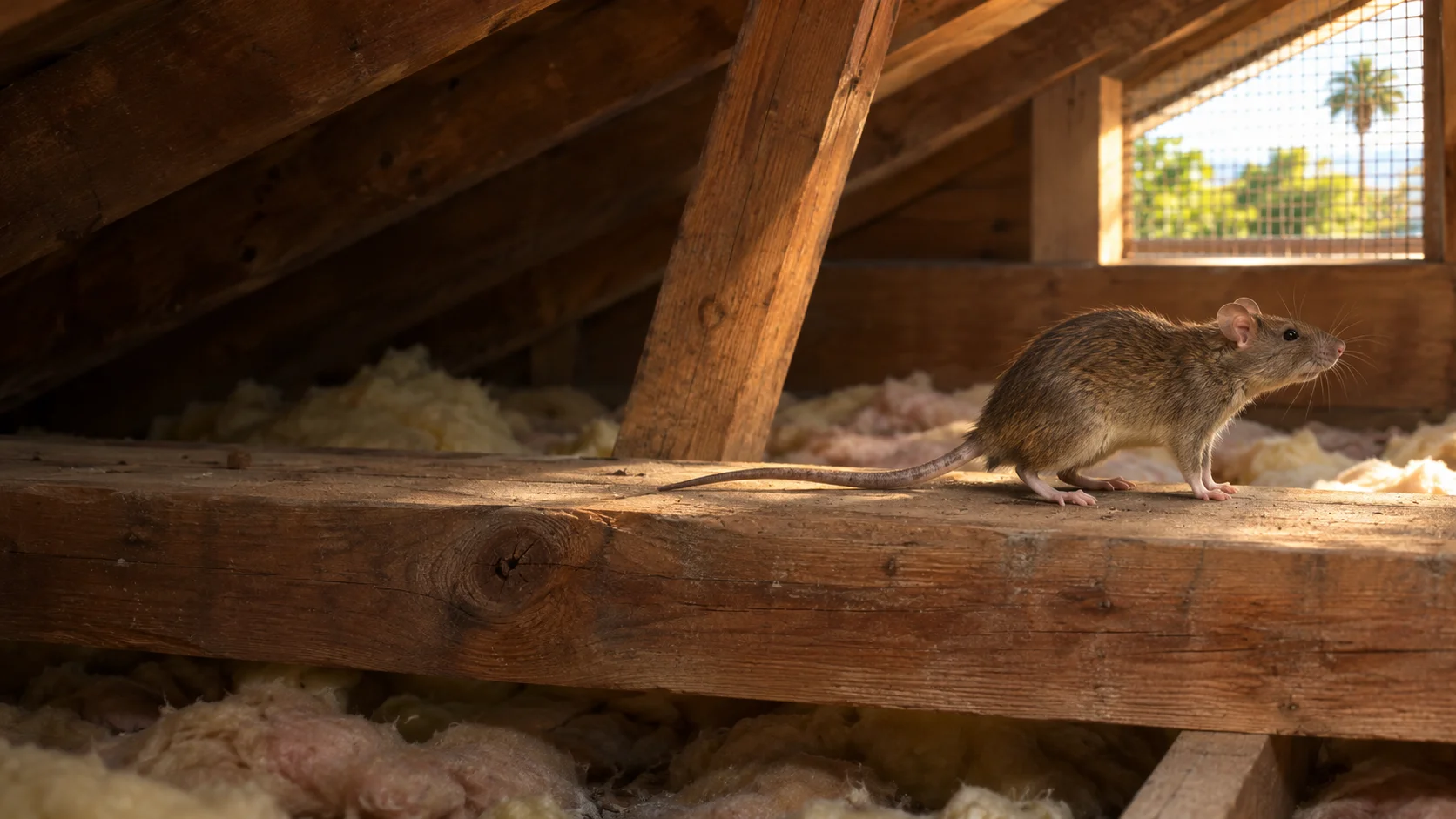
Menifee Rodent Crew focuses on residential rodent-control needs in Menifee, including Sun City. We help homeowners understand the signs of rodent activity and consider the areas that may need attention.
A mouse sighting in the kitchen may require a different approach from suspected rat activity in an attic. Problems involving entry points may also require attention beyond trapping or removal. Our service information explains the differences between rat control, mice control, and rodent exclusion.
You can contact us to discuss the signs you have noticed and learn about the next steps for your property.
A few details about the problem can help make your first conversation more useful. You do not need to identify the rodent yourself before contacting us.
Tell us whether you have found droppings, heard scratching sounds, seen a rodent, or noticed damage to stored items. Mention when and where these signs appeared.
Explain whether the activity seems to be in the kitchen, garage, attic, storage room, or outside the house. This information can help identify the areas that may need inspection.
Ask what the service includes and whether the work involves trapping, removal, entry-point repairs, or follow-up visits. Review the proposed scope and cost before arranging the work.
Sun City is one of the established communities within the City of Menifee. Menifee Rodent Crew focuses on residential rodent-control needs in Sun City and the surrounding Menifee service area.
If you need information about services across the wider city, visit our Menifee rodent control homepage. You can also explore our dedicated pages for rat control, mice control, and rodent exclusion.
House mice and rats are common concerns in residential buildings. Roof rats and Norway rats may use different parts of a property, so an inspection can help identify the type of rodent and the areas involved.
Yes. House mice can pass through openings about one-quarter inch wide. Gaps around garage doors, damaged screens, and openings near utility lines may provide access to a building.
Possible signs include droppings, scratching sounds, gnaw marks, and disturbed insulation. Sounds alone cannot confirm that rats are present because other animals and building noises can produce similar sounds.
Keep children and pets away from the affected area. Do not sweep or vacuum dry droppings. Follow the CDC's rodent cleanup instructions for safe handling and disinfection.
Rodent exclusion involves identifying and addressing openings that may allow rodents to enter. The exact work depends on the building and the inspection findings. Ask which materials and repairs are included in the proposed service.
The time required depends on the type of rodent, the affected areas, and the treatment method. Some properties may also need follow-up visits or additional exclusion work. The service provider should explain the expected timeframe after reviewing the problem.
If you have found signs of rats or mice in your home, the first step is to understand where the activity is happening. Menifee Rodent Crew can help you discuss the problem and consider the appropriate service for your property.
Call to discuss your rodent-control needs in Sun City, or submit a service request to get started.